


Popular Search

How To Organize A Small Pantry On A Tight Budget: A Practical Step-by-Step Guide

Want to turn your cluttered small pantry into a functional, easy-to-navigate space without spending much? In this guide, you’ll discover simple, low-cost strategies to sort, store, and maintain your pantry, so you can find items quickly and cut down on food waste. No expensive organizers or professional help required.
Why should you care about organizing your small pantry on a budget? A well-sorted pantry cuts down on weekly grocery runs, reduces duplicate purchases, and makes meal prep far faster for your household. But it’s important to understand that you don’t need fancy products to get great results, as we’ll share affordable, household item hacks in the steps below.
Why Organizing a Small Pantry on a Tight Budget Is Worth Your Time
- Low upfront cost: You can use items you already own, like old shoeboxes and mason jars, instead of buying expensive storage solutions, so you won’t strain your monthly budget.
- Saves money long-term: You’ll avoid buying duplicate food items you forgot you had, and you’ll spot expiring goods before they go bad, cutting down on unnecessary grocery spending.
- Faster daily routines: You can find ingredients in seconds when prepping meals or packing lunches, which cuts down on stress and saves you time every single day.
- Maximizes limited space: Even the smallest pantry can hold 20 to 30 percent more items when organized strategically, so you won’t need to upgrade to a larger storage area.
- Easy to maintain: The low-cost, simple systems we share require minimal effort to keep tidy, so you won’t have to re-organize every few weeks.
Step-by-Step Guide to Organizing a Small Pantry on a Tight Budget
Step 1: Empty and sort all pantry contents
Take every single item out of your pantry and group similar goods together, like canned goods, snacks, baking supplies, and spices. Wipe down all shelves with a basic cleaning solution to start with a fresh, clean surface. Throw away any expired items, and set aside goods you know you won’t use to donate to a local food bank.
Common mistake to avoid: Don’t skip sorting before buying organizers, as you won’t know what size or type of storage you actually need until you see all your items grouped together.
Step 2: Repurpose household items for storage
Gather clean, empty containers you already own, like mason jars, cereal boxes, shoeboxes, and old plastic food storage containers. Cut the tops off cereal boxes to make open bins for snacks or seasoning packets, and wrap shoeboxes in leftover wrapping paper for a polished look. Use mason jars to store dry goods like rice, pasta, and flour, so you can see exactly how much you have left.
Pro tip: Label each container with a permanent marker or masking tape so you can identify contents at a glance, without having to open every jar.
Step 3: Arrange items by usage frequency
Place the items you use most often, like cereal, canned beans, and snack bars, on the middle shelves that are easiest to reach. Store items you use less often, like holiday baking supplies or bulk dry goods, on the top or bottom shelves. Keep heavier items, like large cans and jugs of oil, on lower shelves to reduce the risk of them falling and causing injury.
Common mistake to avoid: Don’t stack items more than three high, as you’ll likely knock over other products when you try to grab something from the back of the shelf.
Step 4: Use vertical and door space for extra storage
Add inexpensive adhesive hooks to the inside of your pantry door to hang measuring cups, oven mitts, or small wire baskets for snack bars. If you have extra space between shelves, use cheap stackable shelf risers (you can even make them from sturdy cardboard boxes) to double your storage area for canned goods. Use a small over-the-door organizer for spices or small packets of seasoning, so they don’t get lost at the back of shelves.
Pro tip: If you don’t want to buy hooks, you can use strong command strips that won’t damage your door or shelf surfaces.
Step 5: Create a simple rotation system for perishables
When you add new groceries to your pantry, place newer items behind older ones, so you use the older products first before they expire. Keep a small magnetic notepad on the pantry door to jot down items as you run out, so you don’t accidentally buy duplicates on your next grocery run. Do a quick 5-minute check of expiration dates once a week to catch expiring items before they go bad.
Step 6: Maintain your system with quick weekly checks
Set a 10-minute weekly reminder to tidy your pantry, put items back in their correct spots, and remove any expired goods. If you notice a section of your pantry is getting cluttered, adjust your storage setup slightly to fit your actual usage habits. You don’t need to do a full re-organize often, as long as you keep up with these small regular checks.
Challenges to Be Aware Of
- Limited initial storage space: Small pantries have very limited square footage, so you may need to get creative with vertical storage or reduce the number of duplicate bulk items you keep on hand. Start by only keeping 1 to 2 backup copies of each item, and store extra bulk goods in a separate closet if you have space.
- Temptation to buy expensive organizers: It’s easy to get sucked into buying fancy storage bins when browsing home goods stores, but these can quickly blow your budget. Stick to repurposing household items first, and only buy cheap organizers from dollar stores if you truly need extra storage solutions.
- Keeping the system consistent for your whole household: Other family members may not follow your organization system at first, leading to clutter building up again quickly. Walk everyone in your home through the system once, and add clear labels to each storage area to make it easy for people to put items back in the right spot.
Conclusion
You now have the foundation to start organizing your small pantry on a tight budget, using simple hacks and items you likely already own. You don’t need professional experience or a big budget to create a functional, tidy space that works for your household.
Organizing your small pantry on a budget offers the chance to save money on groceries, cut down on daily stress, and make the most of the limited space you have. By following these simple steps, you’re positioning yourself for a more efficient, low-stress kitchen routine for months to come.
Don’t wait for the perfect moment. Start by emptying and sorting your pantry contents this weekend. The process is far simpler than you might expect, and you’ll love the end result of a clean, easy-to-use pantry space.
FAQ
How long does it take to organize a small pantry on a tight budget?
Most people can complete the full process in 2 to 3 hours, depending on how cluttered their pantry is to start with. The weekly maintenance checks only take 10 to 15 minutes, so you won’t spend a lot of time keeping it tidy. Start with a free afternoon this week to tackle the initial sort, and you’ll be done before you know it.
Do I need to buy special storage organizers to get good results?
No, you can use household items you already own, like mason jars, shoeboxes, and old cereal boxes, for most of your storage needs. If you do need extra organizers, dollar stores sell low-cost bins and shelf risers that work perfectly for small pantries. Focus on repurposing first before you spend any money on new products.
What's the best way to organize small spice packets and seasoning mixes?
Cut the top off a clean cereal box to make a shallow open bin, and sort your packets by type (taco seasoning, soup mixes, etc.) inside the bin. You can also use small adhesive pockets on the inside of your pantry door to hold these packets, so they don’t get lost at the back of shelves. Label each bin or pocket to make finding the right packet fast and easy.
Can I adjust this system if my pantry is part of a cabinet instead of a separate space?
Yes, this system works perfectly for cabinet pantries too, as long as you adjust the storage size to fit your cabinet dimensions. Use smaller repurposed bins, and opt for over-the-cabinet door organizers if you don’t have a separate pantry door. You’ll still get all the same benefits of a tidy, easy-to-use storage space for your food items.


RECOMMEND ARTICLES


How To Create A Relaxing Bedtime Routine For Better Sleep Quality

How To Relieve Eye Strain Caused By Too Much Computer Use: A Practical Guide For Everyone

How To Use A Foam Roller To Relieve Muscle Soreness After A Workout

How To Master Basic Hand Sewing Stitches For Clothing Repair

How To Train Your Dog To Sit And Stay In 10 Minutes A Day: Simple Beginner Guide

How To Remove Red Wine Stains From White Carpet Naturally
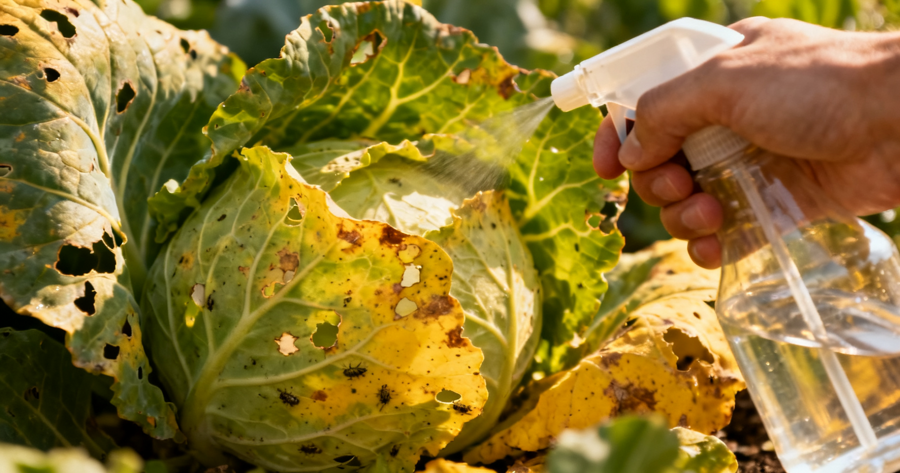
How To Identify And Treat Common Pests In Your Vegetable Garden

How To Revive A Dying Houseplant: 5 Essential Steps For New Plant Owners
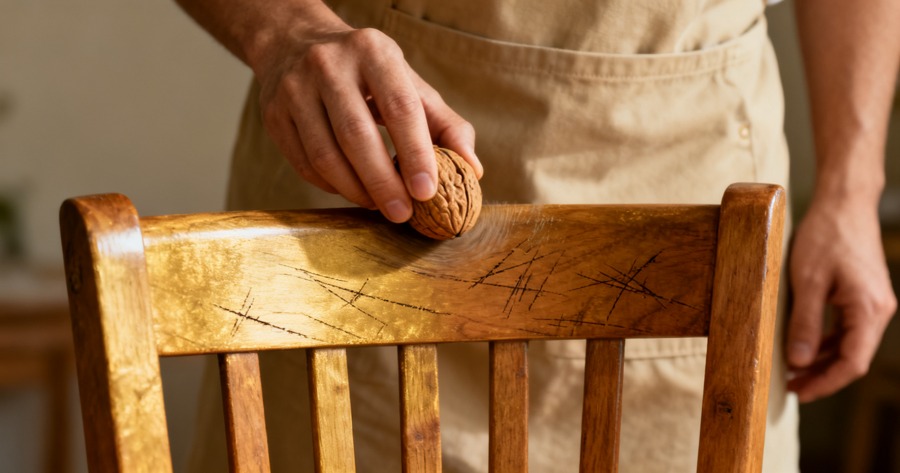
How To Restore Scratched Wood Furniture Using A Walnut: Easy Step-by-Step Guide

How To Paint A Room Like A Professional: A Step-by-Step Guide
Most Read
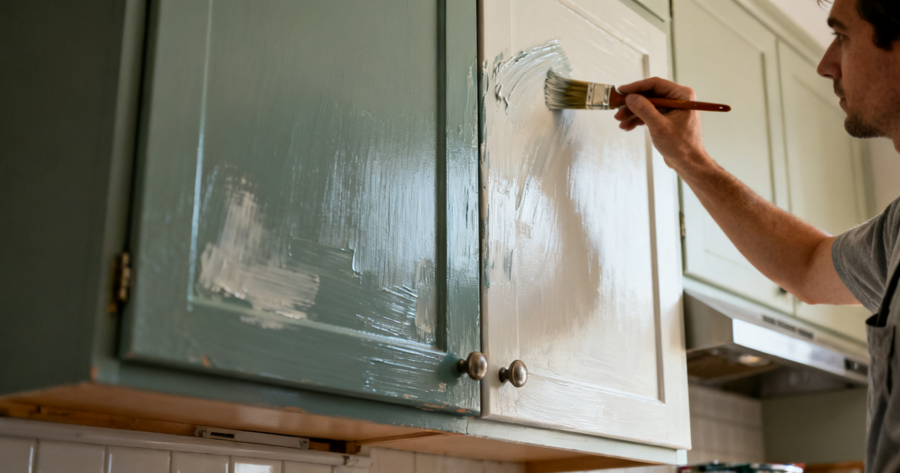
How To Paint Kitchen Cabinets For A Professional, Long-Lasting Finish

Exploring The Ford F-150: Understanding Current Market Offers

How To Use The Steal A Brainrot OP Script: A Step-by-Step Guide

How To Play Popular VR Games For Free In 5 Minutes: A Quick Start Guide

How To Find And Use Free Minecraft Skins To Customize Your Avatar

How Did Your Zodiac Sign Die In A Past Life?
Subscribe For New Quizzes



About us | Privacy Policy | Data Removal | Feedback
Copyright © 2019-2026 | All rights reserved.