


Popular Search

How To Deep Clean Your Dishwasher Using Natural Ingredients

Ready to get your dishwasher sparkling fresh without reaching for harsh chemical cleaners? In this guide, you'll discover simple, effective steps to deep clean your appliance using common household natural ingredients. You’ll remove built-up grime, eliminate lingering odors, and help your dishwasher run more efficiently for cleaner dishes every time.
Why should you care about cleaning your dishwasher with natural ingredients? Regular deep cleaning cuts down on residue that can stick to your plates and glassware, and natural solutions are safer for households with kids, pets, or sensitive skin. But it's important to understand the simple, structured process to get the best results without damaging your appliance.
Why Deep Cleaning Your Dishwasher With Natural Ingredients Is Worth Your Time
- Gentle on your appliance: Many commercial cleaners contain abrasive chemicals that can wear down rubber seals and internal parts over time. Natural ingredients like vinegar and baking soda lift grime without corroding delicate components, extending the lifespan of your dishwasher.
- Safe for your household: Unlike harsh cleaners that leave behind fumes or chemical residues, natural solutions pose no risk to kids, pets, or people with allergies or skin sensitivities. You won’t have to worry about leftover chemicals transferring to your food or dishes after cleaning.
- Low cost and accessible: Most of the ingredients you’ll need, like baking soda, white vinegar, and lemon, are already in most household pantries. You won’t have to make a special trip to the store or spend extra money on specialized cleaning products.
- Eco-friendly choice: Natural ingredients break down safely in the environment, unlike many commercial cleaners that contain toxic ingredients that can harm water systems and wildlife. This method cuts down on your household’s chemical waste output with minimal effort.
- Fights tough odors effectively: Food buildup and stagnant water can create unpleasant, persistent smells in your dishwasher. Natural deodorizers like lemon and baking soda neutralize odors at the source instead of just masking them with artificial fragrances.
Step-by-Step Guide to Deep Cleaning Your Dishwasher Using Natural Ingredients
Step 1: Empty and prep your dishwasher
Start by removing all dishes, utensil holders, and racks from your appliance. Check the drain filter at the bottom of the tub for trapped food scraps, and wipe away any loose debris with a damp cloth to prevent clogs during the cleaning process.
Pro tip: Soak your racks and utensil holders in a sink of warm, soapy water while you clean the rest of the dishwasher to remove stuck-on food residue.
Step 2: Run a hot cycle with white vinegar
Place a dishwasher-safe bowl filled with 2 cups of plain white vinegar on the top rack of your empty dishwasher. Run a full, hot water cycle without any detergent or other cleaning products, as the vinegar will cut through grease, dissolve mineral deposits, and disinfect the interior of the tub.
Common mistake to avoid: Don’t pour vinegar directly into the detergent dispenser, as this can damage the rubber parts inside the dispenser over time.
Step 3: Scrub tough spots with baking soda paste
Once the vinegar cycle finishes, mix ½ cup of baking soda with a few tablespoons of water to create a thick paste. Use a soft-bristled brush to apply the paste to stained areas, around the door seal, along the edge of the tub, and on the spray arm nozzles to lift stubborn grime.
Pro tip: Use an old toothbrush to get into small crevices around the door latch and filter area where food often gets trapped.
Step 4: Run a second hot cycle with baking soda
Sprinkle the remaining baking soda evenly across the bottom of the dishwasher tub. Run a second short, hot water cycle to scrub away any remaining residue and deodorize the interior. The baking soda will also help lift any lingering stains from the bottom of the tub.
Common mistake to avoid: Don’t use too much baking soda, as excess can leave a fine white residue on your dishwasher interior that will require extra rinsing to remove.
Step 5: Clean the exterior and finish up
Wipe down the outside of the dishwasher door, control panel, and handle with a damp cloth and a small amount of dish soap to remove fingerprints and splatters. Replace the clean racks and utensil holders, then leave the dishwasher door open for 30 minutes to air out completely before using it again.
Pro tip: Rub a cut lemon along the edge of the dishwasher door and control panel for a fresh, natural citrus scent and extra shine on stainless steel surfaces.
Challenges to Be Aware Of
- Stubborn hard water deposits: If you live in an area with very hard water, mineral buildup can be extra thick and may not come off with a single cleaning cycle. For severe deposits, you can repeat the vinegar cycle two or three times over consecutive days, or use a small amount of citric acid alongside the vinegar for extra cutting power.
- Persistent mold or mildew spots: If your dishwasher has been left closed for a long time with wet items inside, mold or mildew may grow around the rubber door seal. Scrub these spots with undiluted vinegar and a brush before running the cleaning cycle, and leave the door slightly ajar between uses to improve ventilation.
- Clogged spray arm nozzles: Food particles and mineral buildup can clog the small holes in the spray arm, reducing your dishwasher’s cleaning power. If the nozzles are still clogged after the cleaning cycles, use a toothpick or small wire to gently clear each hole, taking care not to scratch or damage the plastic.
Conclusion
You now have the foundation to start deep cleaning your dishwasher using natural ingredients whenever you notice odors, residue, or less effective cleaning performance. The process is simple, affordable, and safer for every member of your household than chemical alternatives.
Deep cleaning your dishwasher with natural ingredients offers a low-effort way to keep your kitchen running smoothly and reduce your exposure to harsh chemicals. By following this routine once every 1 to 3 months, you’re positioning yourself for cleaner dishes, a longer-lasting appliance, and a healthier home environment overall.
Don't wait for the perfect moment. Start with a quick check of your dishwasher’s filter and a vinegar cycle today. Small, regular cleaning steps will save you time and frustration when it comes to keeping your kitchen running its best.
FAQ
How long does the full deep cleaning process take?
The active cleaning work takes roughly 15 to 20 minutes of hands-on time, plus two full dishwasher cycles that typically run 60 to 90 minutes each. You can run the cycles while you do other household tasks to save time. Schedule your cleaning on a day when you don’t need to use the dishwasher for a few hours for best results.
Do I need any special tools or ingredients to do this cleaning?
You only need basic household items: white vinegar, baking soda, a soft brush or old toothbrush, a bowl, and a clean cloth. You can also use a lemon for extra deodorizing and shine if you have one on hand, but it is not required. No specialized cleaning products or tools are needed for this process.
What's the best way to prevent buildup between deep cleans?
Scrape large food scraps off dishes before loading them, and wipe out the drain filter once a week to catch trapped food. You can also run an empty short cycle with 1 cup of vinegar once a month to keep mineral deposits and odors at bay. Leaving the dishwasher door slightly open after each use also prevents moisture buildup that leads to mold and mildew.
Can I use this method on all types of dishwashers, including stainless steel models?
Yes, this natural method is safe for all standard dishwasher types, including stainless steel interior and exterior models. Avoid using abrasive scrub brushes on stainless steel surfaces to prevent scratches, and always wipe stainless steel in the direction of the grain for the best finish. If you have a specialty high-end dishwasher, you can check your owner’s manual to confirm compatibility, as natural ingredients are almost always approved for use.


RECOMMEND ARTICLES


How To Read Nutrition Labels To Identify Hidden Sugars: A Practical Guide For Everyone

How To Use A Foam Roller To Relieve Muscle Soreness After A Workout

How To Hang Heavy Pictures Without Damaging Your Walls: Complete Step-by-Step Guide

How To Paint Kitchen Cabinets For A Professional, Long-Lasting Finish
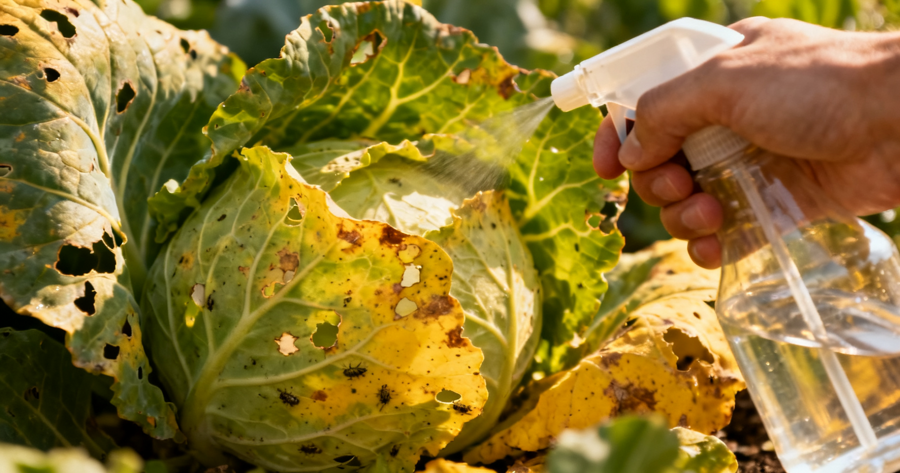
How To Identify And Treat Common Pests In Your Vegetable Garden

How To Declutter Your Entire Closet In One Afternoon: A Practical Step-by-Step Guide
How To Revive A Dying Houseplant: 5 Essential Steps For New Plant Owners
How To Revive A Dying Houseplant: 5 Essential Steps For Beginners
How To Propagate Succulents From Leaves: A Beginner’s Guide

How To Paint A Room Like A Professional: A Step-by-Step Guide
Most Read

The Psychology Behind Knots: Why Do They Hold Such Power Over Us?

How To Location Spoof In Pokemon Go Safely

How To Create Your Unique Avatar: A Practical Guide For Players

How To Get Roblox Free Limited Items: A Step-by-Step Guide For Players

The Hidden Meanings Behind Your Birthmark: What Do They Really Signify?

Review Of The Love Hypothesis: When Fake Dating Becomes A Formula For True Love!
Subscribe For New Quizzes



About us | Privacy Policy | Data Removal | Feedback
Copyright © 2019-2026 | All rights reserved.