


Popular Search

How To Test Your Body Fat Percentage

Ready to get a clearer picture of your overall health beyond just the number on the scale? In this guide, you’ll discover practical, accessible methods to test your body fat percentage, no fancy lab equipment required. You’ll walk away with actionable steps to get reliable results and track your health progress over time.
Why should you care about tracking your body fat percentage anyway? This metric gives you deeper insight into your muscle mass, fat distribution, and overall fitness level than weight alone. But it's important to understand which methods work best for your lifestyle and budget to get the most useful results.
Why Testing Your Body Fat Percentage Is Worth Your Time
- Clearer health insights: Unlike basic weight measurements, body fat percentage shows your ratio of fat to lean muscle, which helps you spot potential health risks early. This data lets you adjust your fitness or nutrition routines with more precision, instead of guessing based on generic weight goals.
- Better fitness goal tracking: If you’re working to build muscle or lose excess fat, this metric shows real progress even when your weight stays the same. This keeps you motivated when the scale doesn’t move, as you can see positive changes in your body composition.
- Accessible, low-cost options: You don’t need expensive medical tests to get reasonably accurate results, so you can track your numbers regularly without breaking the bank. Many methods work at home, so you don’t have to schedule appointments or travel to a clinic.
- Customizable to your needs: You can pick a method that fits your budget, time, and desired level of accuracy, from quick at-home checks to more precise professional tests. This flexibility means you can stick to testing long-term instead of abandoning it because it’s too much hassle.
Step-by-Step Guide to Testing Your Body Fat Percentage
Step 1: Choose the right testing method for your needs
First, evaluate your budget, how accurate you want your results to be, and how often you plan to test. Basic options like skinfold calipers or online body fat calculators cost little to nothing, while professional methods like DEXA scans offer higher accuracy for a higher price. Aim to pick a method you can use consistently, as consistent tracking is more important than perfect one-time accuracy.
Common mistake to avoid: Don’t mix different testing methods for regular tracking, as each has its own margin of error and will give you inconsistent comparison data.
Step 2: Prep your body for consistent, reliable results
Always test under the same conditions each time to make your results comparable. Test first thing in the morning before eating or drinking anything, empty your bladder, and avoid intense exercise for 24 hours before your test. Wear minimal, lightweight clothing if you’re using a method that involves weighing yourself.
Pro tip: Avoid testing during the week before your period if you menstruate, as water retention can skew your results temporarily.
Step 3: Perform the test following exact instructions
If you’re using skinfold calipers, measure 3 to 4 standard sites on your body (usually the tricep, thigh, abdomen, and suprailiac) and pinch the skin firmly to pull only fat, not muscle. If you’re using a bioelectrical impedance scale, stand barefoot on the sensors and stay still until the reading finishes. For professional tests, follow the technician’s instructions closely to avoid errors.
Common mistake to avoid: Don’t take just one skinfold measurement per site; take 2 to 3 and average them to reduce user error.
Step 4: Calculate your final body fat percentage
For skinfold caliper measurements, use a standard formula that matches your age, gender, and the number of sites you measured to turn your pinch measurements into a percentage. For calculators, input all requested data accurately, including your height, weight, neck, waist, and hip measurements. For professional tests, the technician will share your final number with you directly after the test.
Pro tip: Save your formula or calculator link so you use the same one every time you test, to keep your results comparable.
Step 5: Track your results over time instead of focusing on one number
Write down your result, the date, and the method you used in a notebook or fitness tracking app. Don’t panic if one result seems higher or lower than expected, as small fluctuations are normal due to water retention or minor testing errors. Test every 4 to 6 weeks to see long-term trends, instead of testing weekly and getting frustrated by small changes.
Challenges to Be Aware Of
- Margin of error for at-home methods: Most at-home testing options have a margin of error between 3 and 5 percent, so you may not get lab-perfect results on your first try. This isn’t a reason to skip testing entirely, as consistent use of the same method will still show you accurate trends over time. To minimize this error, follow all instructions carefully and test under the same conditions every time.
- User error for manual methods: Skinfold caliper tests require practice to get right, so your first few measurements may be less accurate than later ones. You can fix this by watching tutorial videos to learn the right pinching technique, or asking a friend or trainer to help you take measurements for more consistency. Over time, your skills will improve and your results will become more reliable.
- Confusion about “ideal” percentage ranges: Many generic body fat percentage charts don’t account for differences in age, activity level, and body type, so you may worry your number is “wrong” when it’s actually healthy for you. Talk to a doctor or certified trainer to understand what range is realistic and healthy for your specific situation, instead of comparing yourself to online averages. This will help you set realistic, sustainable goals for your health.
Conclusion
You now have the foundation to start testing your body fat percentage accurately, no prior experience or expensive tools required. You know how to pick the right method, prep correctly, and track your results in a way that gives you useful, actionable health data.
Testing your body fat percentage offers a far more complete view of your health than basic weight tracking, and by mastering it, you're positioning yourself to make more informed choices about your fitness and nutrition routines. This small, regular practice can help you stay on top of your health goals for years to come.
Don't wait for the perfect moment. Start by picking one testing method that fits your budget and schedule today. You don’t need perfect results right away — every small step you take to understand your body better brings you closer to your health goals.
FAQ
How long does it take to get consistent, reliable body fat percentage results at home?
If you’re using a simple method like a bioelectrical impedance scale or online calculator, you can get your first result in 5 to 10 minutes on your first try. For skinfold calipers, most people get consistent results after 2 to 3 practice sessions over 1 to 2 weeks. Start with a simpler method first, then move to calipers once you’re comfortable with regular tracking.
Do I need expensive special equipment to test my body fat percentage accurately?
No, you don’t need any special equipment if you use a tape measure and a free online body fat calculator, which gives you reasonably accurate results for general tracking. If you want higher accuracy, you can buy basic skinfold calipers for under $20, which is far less expensive than professional lab tests. Start with the free option first to see if regular tracking works for you before investing in any tools.
What's the best way to track my body fat percentage progress over time?
The best way is to use the same testing method, at the same time of day, under the same conditions every time you test. Record every result in a notebook or fitness app, and only compare results from the same method to avoid confusion. Focus on trends over 3 to 6 months, not small week-to-week changes, to get a clear picture of your progress.
Can I use my body fat percentage results to adjust my fitness and nutrition plans?
Yes, you can use these results to make small, sustainable changes to your routines. If your body fat percentage is higher than your target range, you can add a few days of strength training to build muscle, or adjust your nutrition to prioritize nutrient-dense foods. Always talk to a doctor or dietitian before making major changes to your routine, to make sure your plan is safe and sustainable for you.


RECOMMEND ARTICLES


How To Test Your Body And Bone Age: A Practical Guide For All Ages
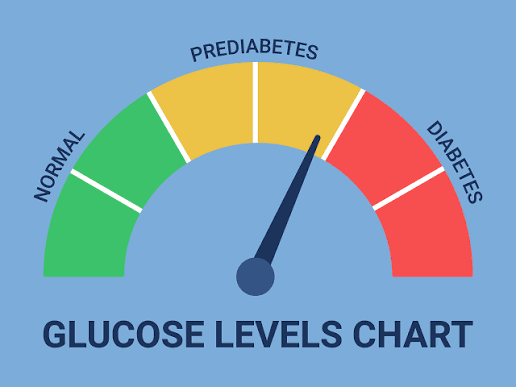
How To Assess Blood Sugar Risk: A Simple Guide For General Audience
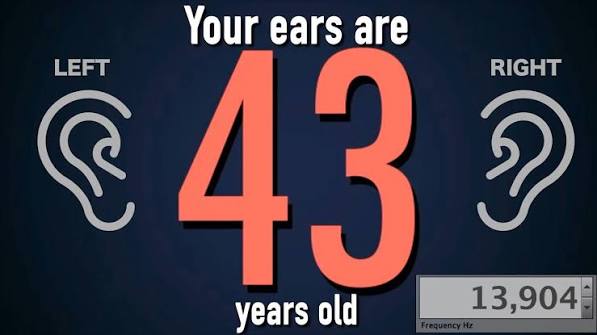
How To Test How Old Your Hearing Is: A Simple Guide For Everyone
2026 Comprehensive Guide To Finding A Professional Hearing Test Near Me

What Does Hepatitis C Rash Look Like:Early Detection, Better Treatment
Most Read

11 Signs That May Indicate You Have Depression!

How To Master Meccha Chameleon Fast: Best Hiding Spots, Pro Tips & Core Mechanics

How To Create And Send Personalized Good Morning Greetings For Someone You Love: A Simple Guide For Seniors

How To Get Into A BANNED House In Brookhaven: A Step-by-Step Guide

How To Play Fortnite On Your Phone: A Complete Step-by-Step Guide

Decoding The 7 Chakras: What Each One Reveals About You!
Subscribe For New Quizzes



About us | Privacy Policy | Data Removal | Feedback
Copyright © 2019-2026 | All rights reserved.