


Popular Search

How To Test Your Body And Bone Age: A Practical Guide For All Ages

Ready to gain clear insights into your physical health and developmental status? In this guide, you'll discover simple, actionable methods to test both your body and bone age, even without specialized medical training. You'll walk away with the knowledge to assess your health trajectory and make informed lifestyle choices.
Why should you care about tracking your body and bone age? Understanding these metrics can help you adjust fitness, nutrition, and self-care routines to match your actual physical needs, not just your chronological age. But it's important to approach these tests with realistic expectations, as they are not replacements for professional medical evaluations.
Why Testing Your Body and Bone Age Is Worth Your Time
- Low barrier to entry: You can complete most basic body and bone age assessments at home with minimal tools, so you don't need to schedule expensive clinic visits right away. These tests are designed to be accessible for people of all fitness and health knowledge levels.
- Personalized health insights: Your chronological age does not always match your physical condition, so these tests help you create fitness and nutrition plans tailored to your unique body. This reduces the risk of following generic advice that may not work for your specific situation.
- Early risk identification: Regular testing can help you spot potential issues like slowed bone density loss or unexpected physical aging earlier, before they develop into more serious health concerns. This gives you more time to adjust your habits to support long-term wellness.
- Progress tracking for lifestyle changes: If you are adjusting your exercise routine, diet, or sleep schedule, these tests give you measurable metrics to see if your changes are having a positive impact on your physical health. You can adjust your approach over time based on clear, tangible results.
Step-by-Step Guide to Testing Your Body and Bone Age
Step 1: Gather basic at-home testing tools
You will need a soft measuring tape, a standard scale, a wall marker for height measurements, and access to a printable bone age comparison chart for visual assessments. You may also want a notebook or phone app to record your results for future reference.
Pro tip: Use a hard, flat surface to take your weight and height measurements to avoid inaccurate readings from soft carpets or uneven floors.
Step 2: Complete the body age functional assessment
First, measure your resting heart rate, waist-to-hip ratio, grip strength, and flexibility via a sit-and-reach test. Next, record how long it takes you to walk one mile, or complete 10 bodyweight squats if walking is difficult for you. These metrics correlate closely with overall physical age and cardiovascular health.
Common mistake to avoid: Do not perform these assessments right after intense exercise, as your elevated heart rate and fatigued muscles will skew your results.
Step 3: Conduct a visual bone age assessment for children and adolescents
For people under 18, you can use a standard left-hand X-ray comparison chart (available for free from reputable health websites) to match the development of hand bones to average age benchmarks. You will need a clear photo or X-ray of the left hand, wrist, and fingers to make an accurate comparison.
Pro tip: This visual assessment is only a rough estimate, so you should follow up with a pediatrician if you notice significant differences between chronological and estimated bone age.
Step 4: Input your metrics into a validated body age calculator
Use a free, peer-reviewed body age calculator from a trusted health organization to input all the data you collected in earlier steps. Most calculators will also ask for basic lifestyle information like your smoking status, average sleep duration, and weekly activity level to refine their estimate. Make sure you answer all questions honestly to get the most accurate result possible.
Step 5: Compare your results to standard age ranges
Once you get your estimated body and bone age results, compare them to your actual chronological age to see if they fall within a typical range. A difference of 1 to 2 years is usually normal and not a cause for concern, but a gap of 3 or more years may indicate you need to adjust your lifestyle habits.
Common mistake to avoid: Do not panic if your results are higher than your chronological age, as small adjustments to diet and exercise can often help improve these metrics over time.
Step 6: Schedule a professional medical assessment for confirmation
If you have concerns about your results, or if you want a more precise bone age measurement, book an appointment with a doctor or endocrinologist. They can perform a formal X-ray and bone density scan to get highly accurate readings, and answer any questions you have about your health. They can also provide personalized advice for adjusting your habits to support better long-term health.
Challenges to Be Aware Of
- At-home test limitations: At-home body and bone age tests only provide rough estimates, not official medical diagnoses, so they cannot be used to treat or identify specific health conditions on their own. You should always consult a healthcare provider if you have persistent concerns about your physical development or aging trajectory.
- Individual variation in metrics: Genetics, pre-existing health conditions, and temporary lifestyle factors like recent illness can skew your test results, so one single test may not reflect your actual long-term physical age. Take multiple tests over the course of a few weeks to get a more accurate average estimate.
- Risk of unnecessary anxiety: If you receive results that show a large gap between your chronological and estimated physical age, you may feel stressed or worried about your health without first consulting a professional. Remember that these tests are just screening tools, not definitive judgments of your overall health status.
Conclusion
You now have the foundation to start testing your body and bone age on your own, using accessible tools and clear, step-by-step methods. You can complete initial assessments in less than an hour, and use your results to make more intentional choices about your health and wellness routine.
Testing your body and bone age offers a simple way to align your self-care habits with your actual physical needs, rather than generic age-based advice. By mastering these basic assessments, you're positioning yourself to take more control over your long-term health and well-being.
Don't wait for the perfect moment. Start with the basic at-home functional assessment today. You'll gain valuable insights that can help you build healthier habits that work for your unique body, no matter your current fitness level or age.
FAQ
How long does it take to complete a basic body and bone age test?
Most at-home assessments take between 30 and 45 minutes to complete, including time to gather tools, take measurements, and input your data into a calculator. If you need to schedule a professional medical assessment, you can usually get results within 1 to 3 business days after your appointment. Start with a quick at-home test this week to get your first baseline reading.
Do I need special equipment or medical training to test my body and bone age?
For basic at-home assessments, you only need common household tools like a measuring tape, scale, and access to a free online calculator or bone age chart, and no medical training is required. For more precise, clinically valid results, you will need to visit a healthcare provider who can perform an X-ray and formal assessment. You can start with at-home tests even if you have no prior health testing experience.
What's the best way to get an accurate bone age assessment for a child?
Start with a visual comparison using a standard left-hand bone age chart, which gives you a rough estimate of developmental progress for people under 18. For the most accurate results, schedule an appointment with a pediatrician who can review a formal X-ray and take other growth metrics into account. Avoid relying solely on at-home assessments if you have concerns about your child's growth trajectory.
Can I use my body and bone age test results to adjust my fitness and diet plans?
Yes, you can use your estimated body and bone age results to tweak your exercise intensity, nutrition intake, and recovery routines to better match your physical needs. For example, if your bone age is lower than your chronological age, you may want to add more calcium-rich foods and low-impact weight-bearing exercise to your routine. Always consult a doctor or dietitian before making major changes to your diet or exercise plan.

RECOMMEND ARTICLES

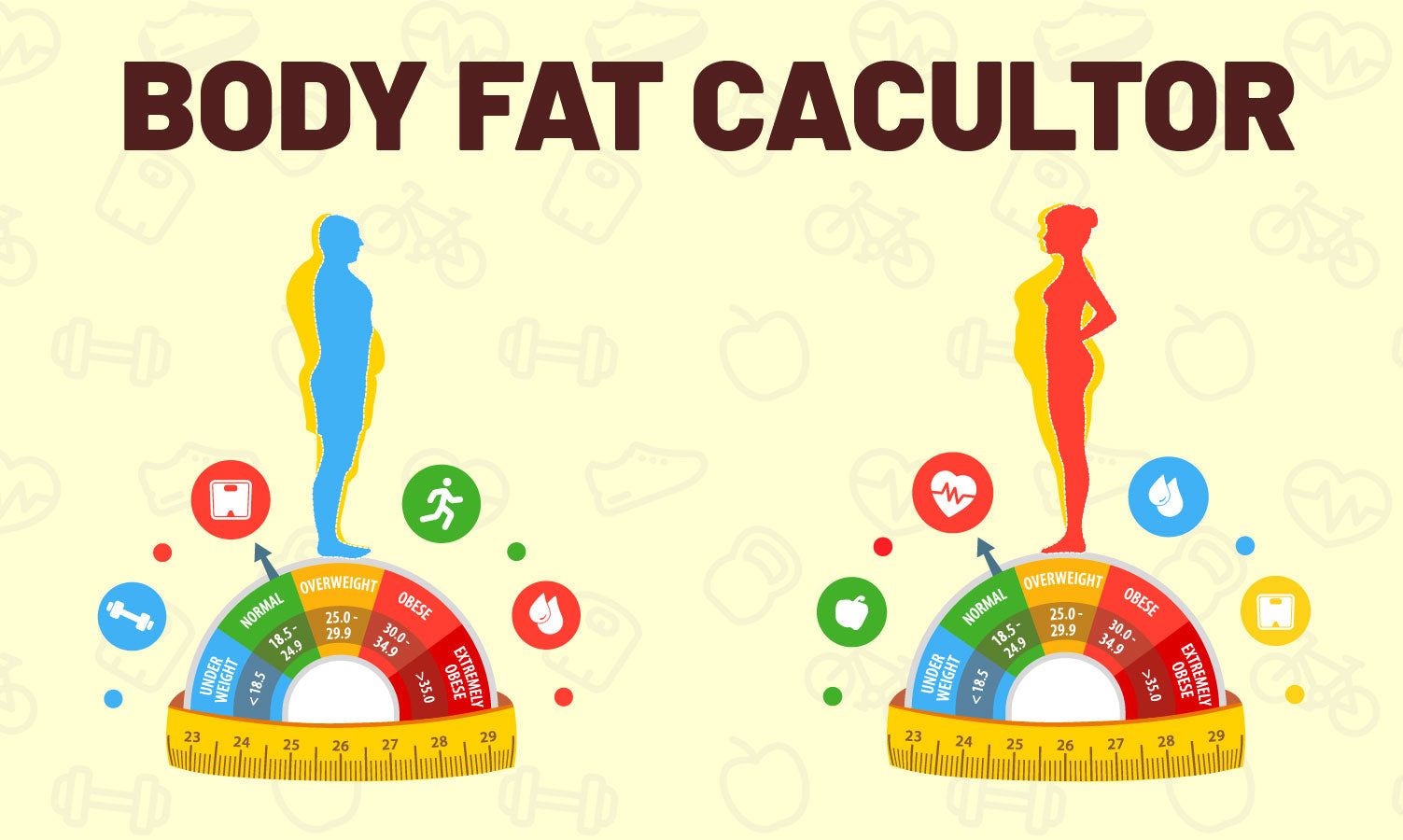
How To Test Your Body Fat Percentage
How To Assess Blood Sugar Risk: A Simple Guide For General Audience
How To Test How Old Your Hearing Is: A Simple Guide For Everyone
2026 Comprehensive Guide To Finding A Professional Hearing Test Near Me

What Does Hepatitis C Rash Look Like:Early Detection, Better Treatment
Most Read

Master Early Childhood Education Step By Step: Online Courses To Build Your Career In Childcare

How To Start A Flexible Home-Based Packaging And Labeling Side Hustle: Complete Beginner Guide

How To Learn Mysticism As A Beginner: A Friendly, Practical Guide

How To Get Free CP, Credits, And Rare Skins In Call Of Duty Mobile Legally?

How To Use CatTranslator - Cat To Human App To Understand Your Feline Friend

How To Master Free Fire: A Complete Beginner To Pro Guide
Subscribe For New Quizzes



About us | Privacy Policy | Data Removal | Feedback
Copyright © 2019-2026 | All rights reserved.