


Popular Search

How To Rapidly Launch And Secure A Career In The Aviation Sector

Ready to turn your passion for aviation into a stable, fulfilling career? In this guide, you'll discover actionable steps to cut through the noise, position yourself as a strong candidate, and land a role that aligns with your aviation goals. Whether you’re a fresh graduate or switching industries, you’ll build a clear roadmap to stand out in this competitive field.
Why should you prioritize a structured approach to your aviation career launch? The aviation industry offers diverse roles, from flight operations to ground support, but it also has strict standards and high competition. But it's important to understand that a targeted strategy can help you bypass common pitfalls and connect with opportunities that match your skills and interests. Are you ready to stop guessing and start advancing?
Why Launching an Aviation Career Is Worth Your Time
- Diverse Role Opportunities: The aviation sector spans flight crew, air traffic control, maintenance, and aviation management, so you can find a path that fits your strengths and interests. This variety lets you pivot later if you want to explore new areas of the industry.
- Global Mobility: Many aviation roles offer chances to work in different countries or travel regularly, opening doors to unique cultural experiences and professional networks. You may even get to collaborate with teams from around the world.
- Transferable Skills: Roles in aviation teach valuable skills like crisis management, technical problem-solving, and strict adherence to safety protocols. These skills can apply to other high-stakes industries if you ever decide to switch careers.
- Stable Growth Trajectory: The aviation industry is gradually expanding as travel demand rebounds, creating steady demand for skilled professionals. This growth may translate to consistent job openings and potential for long-term career security.
- Community and Camaraderie: Aviation is a tight-knit community where professionals support one another through training, networking, and on-the-job challenges. You can build lasting relationships with peers who share your passion for flight.
Step-by-Step Guide to Rapidly Launch and Secure an Aviation Career
Step 1: Define Your Target Aviation Role and Skill Requirements
Start by researching specific aviation roles to narrow down what aligns with your background and interests. Look up job descriptions for roles like flight attendant, aircraft mechanic, or aviation administrator to identify required certifications, education, and soft skills. Make a list of gaps between your current qualifications and what employers are seeking.
Pro tip: Use industry job boards like AviationJobs or LinkedIn to filter roles by entry-level criteria to avoid feeling overwhelmed.
Step 2: Obtain Required Certifications or Education
Once you know your target role, pursue the necessary certifications or education to meet basic eligibility. For example, flight attendants may need a high school diploma and a certified training program, while aircraft mechanics require FAA-approved technical training. Many community colleges and trade schools offer affordable, fast-track programs for entry-level aviation roles.
Common mistake to avoid: Don’t invest in unnecessary certifications before confirming they’re required for your target role, as this can waste time and resources.
Step 3: Build a Tailored Aviation-Focused Resume and Cover Letter
Rewrite your resume to highlight skills and experiences relevant to aviation, even if they’re from other industries. For instance, customer service experience can translate to flight attendant roles, and technical troubleshooting skills work for maintenance positions. Your cover letter should explain your passion for aviation and how your unique background makes you a strong fit for the specific role.
Pro tip: Use keywords from the job description to help your application pass through automated applicant tracking systems.
Step 4: Network with Aviation Professionals and Industry Leaders
Connect with aviation professionals on LinkedIn or attend local aviation industry events, job fairs, or webinars. Ask them about their career paths, advice for entry-level candidates, and hidden job opportunities that may not be posted publicly. Many roles in aviation are filled through referrals, so building these relationships can give you a competitive edge.
Pro tip: Join groups like the Aviation Job Seekers Network on LinkedIn to access exclusive job leads and community support.
Step 5: Gain Hands-On Experience or Internships
Seek out entry-level gigs, internships, or volunteer opportunities to build practical aviation experience. This could include working at a local airport, volunteering with a aviation museum, or completing an internship with an airline or aviation company. Hands-on experience not only strengthens your resume but also helps you confirm that your target role is a good fit for you.
Common mistake to avoid: Don’t overlook unpaid internships or volunteer work, as they can provide valuable connections and industry insights.
Step 6: Prepare for Aviation-Specific Interviews and Assessments
Research common interview questions for your target role and practice your answers to highlight your aviation knowledge and soft skills. For roles like flight crew or air traffic control, you may also need to pass technical assessments, personality tests, or physical fitness evaluations. Mock interviews with a mentor or career coach can help you feel more confident and prepared.
Pro tip: Review the company’s safety protocols and values to align your answers with their organizational priorities.
Step 7: Apply Strategically and Follow Up on Applications
Focus your applications on roles that match your qualifications and target goals, rather than applying to every posting you see. After submitting an application, send a polite follow-up email to the hiring manager within one to two weeks to express your continued interest. This simple step can help you stand out from other candidates who don’t take this extra initiative.
Pro tip: Track your applications in a spreadsheet to stay organized and avoid missing follow-up deadlines.
Challenges to Be Aware Of
- Strict Certification and Training Requirements: Many aviation roles demand specific certifications that can take months to complete, and some programs may have high tuition costs. This can create a barrier to entry if you don’t have the time or resources to invest upfront.
- High Competition for Entry-Level Roles: The aviation industry attracts many passionate candidates, so entry-level positions often have dozens of applicants per opening. You may need to apply to multiple roles before landing an interview.
- Regulatory and Safety Compliance Pressure: Aviation roles require strict adherence to constantly evolving safety regulations, which can add stress to day-to-day work. You’ll need to stay updated on new rules and maintain consistent attention to detail.
- Irregular Work Schedules: Roles like flight crew, maintenance, and airport operations often involve shift work, weekends, or holiday hours. This may disrupt your work-life balance if you’re not prepared for non-traditional scheduling.
Conclusion
You now have the foundation to start launching your aviation career with confidence. By following these structured steps, you can avoid common delays, showcase your strengths to employers, and move closer to landing your dream role in this dynamic industry. Are you ready to take the first step toward your aviation goals?
The aviation sector offers diverse, stable opportunities for growth and global engagement, and by mastering this launch strategy, you're positioning yourself to stand out in a competitive field. You’ll not only build a career you’re passionate about but also gain skills that can serve you for years to come. Isn’t it time to turn your aviation dreams into action?
Don’t wait for the perfect moment. Start researching your target aviation role today. Every small step you take brings you closer to joining a community of professionals who share your love for flight, and your future self will thank you for taking action now.
FAQ
How long does it typically take to launch an entry-level aviation career?
The timeline varies depending on your target role and existing qualifications. Entry-level roles like flight attendant may take 3-6 months to complete training and land a job, while roles requiring technical certifications like aircraft mechanics can take 12-18 months. If you already have relevant experience or education, you may be able to shorten this timeline. Start by mapping your required certifications to set a realistic schedule for yourself.
Do I need a college degree to start a career in aviation?
No, many entry-level aviation roles do not require a four-year college degree. For example, flight attendants, ground support staff, and some maintenance roles only require a high school diploma plus industry-specific training or certifications. That said, a degree in aviation management or aerospace engineering can open doors to higher-level leadership roles later in your career. Evaluate your long-term goals to decide if a degree is worth pursuing.
Focus on building practical experience through internships, volunteer work, or part-time airport roles, as this shows employers you’re serious about the industry. Tailor your resume and cover letter to highlight skills that align with the job description, such as customer service, technical troubleshooting, or attention to safety. Networking with aviation professionals can also help you learn about hidden job opportunities and get referrals. Take time to research each company to show genuine interest in their mission.
Can I switch to an aviation career from a completely unrelated industry?
Yes, many transferable skills from other industries are valuable in aviation. For example, customer service experience from retail or hospitality can translate to flight attendant roles, and technical skills from manufacturing can apply to aircraft maintenance. You may need to complete additional certifications or training to meet industry-specific requirements, but many employers value diverse backgrounds that bring fresh perspectives. Start by identifying your transferable skills and matching them to relevant aviation roles.


RECOMMEND ARTICLES

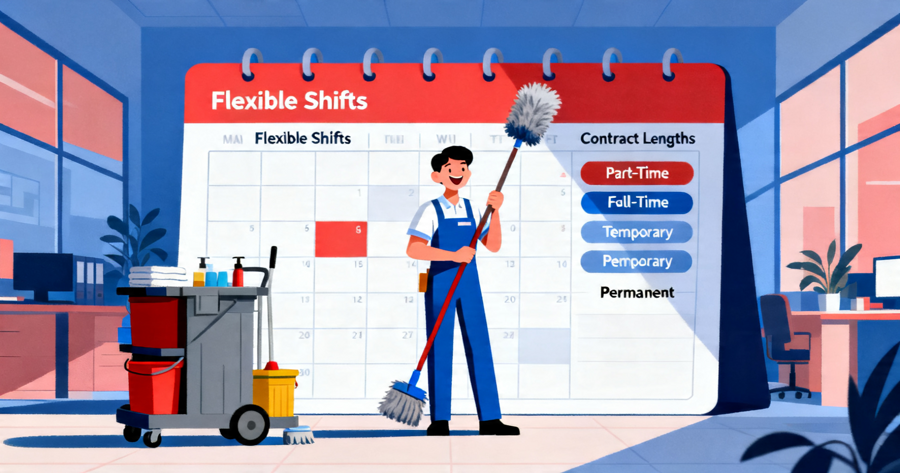
How To Land An Office Cleaner Job With Flexible Shifts And Flexible Tenure Options

Private Caregiver Recruitment With Part-time/full-time Options Available; No Nursing License Required

How To Get A Job As An Aged Care Worker: A Step-by-Step Guide For Job Seekers

How To Land A Long-Term Caregiver Role With No Experience: A Step-by-Step Guide

How To Secure A Position As A Female PCA For Home Care: A Step-by-Step Guide

How To Secure A Staff Position At A Day Center For Research Support

How To Find Jobs In Cleaning, Food Service, And More—No Experience Required

How To Land A Top High-Paying Job In 2026: A Step-by-Step Guide

How To Find Flexible Jobs That Do Not Require Prior Experience: A Step-by-Step Guide

How To Land High-Paying, Flexible Jobs: From Housekeeping To Remote Roles
Most Read

How To Test How Old Your Hearing Is: A Simple Guide For Everyone

How To Plan A Stress-Free Weekend Camping Trip: A Simple Guide For All Skill Levels

How To Set Up And Use Antivirus For APK Users: A Complete Step-by-Step Guide

How To Prevent Period Leaks

Night Shift Terror: A Complete Guide To FNAF In Dead By Daylight

The Ultimate Guide To Finding And Enjoying Free Short Drama Apps
Subscribe For New Quizzes



About us | Privacy Policy | Data Removal | Feedback
Copyright © 2019-2026 | All rights reserved.