


Popular Search

How To Maintain Healthy And Beautiful Teeth

Want to keep your teeth strong, bright, and free of common dental issues long term? In this guide, you'll discover simple, actionable daily habits and expert tips to build a sustainable oral care routine. You'll walk away with the tools to prevent cavities, reduce gum sensitivity, and keep your smile looking vibrant for years.
How will consistent, proper oral care change your daily life? Strong, healthy teeth let you enjoy your favorite foods without discomfort, and a bright smile can boost your confidence in work and social interactions. But it's important to understand that good dental health doesn't require expensive products or complicated routines to achieve.
Why Maintaining Healthy and Beautiful Teeth Is Worth Your Time
- Low effort, high long-term reward: You only need to spend a few minutes each day on basic care to avoid costly, painful dental procedures later on. These small daily actions can save you hundreds of dollars in dental bills over time.
- Boosts overall physical health: Poor oral health is linked to higher risk of heart issues, diabetes, and other systemic health conditions. Taking care of your teeth supports your whole body's wellness, not just your mouth.
- Improves social and professional confidence: A healthy, bright smile makes you more likely to engage with others openly and make positive first impressions. It removes the self-consciousness that can come from stained or painful teeth.
- Preserves natural teeth long term: Consistent proper care helps you keep your natural teeth for your entire life, avoiding the inconvenience of dentures or implants later in life. This also lets you keep enjoying all your favorite foods without restrictions.
Step-by-Step Guide to Maintaining Healthy and Beautiful Teeth
Step 1: Build a twice-daily brushing routine
Brush your teeth for two full minutes each morning and right before bed, using a soft-bristled toothbrush and fluoride toothpaste. Hold your brush at a 45-degree angle to your gums, and use gentle circular motions to clean every surface of each tooth, including the back molars that are easy to miss.
Common mistake to avoid: Don't brush too hard, as this can wear down your enamel and irritate your gum line over time.
Step 2: Clean between your teeth daily with floss or interdental brushes
Toothbrushes can only reach about 60% of your tooth surface, so flossing removes food particles and plaque from the tight spaces between your teeth that brushing misses. Gently slide the floss between each tooth, curve it around the base of the tooth, and move it up and down to remove debris without snapping it against your gums.
Pro tip: If traditional string floss is hard to use, try pre-threaded floss picks or small interdental brushes that fit easily between wider gaps.
Step 3: Add a fluoride or alcohol-free mouthwash to your routine
After brushing and flossing, rinse with a fluoride mouthwash for 30 to 60 seconds to strengthen your enamel and reach areas your brush and floss may have missed. Choose an alcohol-free formula if you have sensitive gums, as alcohol can cause dryness and irritation with regular use.
Common mistake to avoid: Don't rinse your mouth with water right after using mouthwash, as this will wash away the protective fluoride coating left on your teeth.
Step 4: Adjust your diet to reduce enamel damage and staining
Limit sugary snacks, sodas, and acidic drinks like coffee, red wine, and citrus juices that can erode enamel and stain your teeth. If you do consume these items, rinse your mouth with plain water afterward to neutralize acid and reduce staining, rather than brushing immediately.
Pro tip: Crunchy fruits and vegetables like apples, carrots, and celery act as natural tooth cleaners, stimulating saliva production that washes away bacteria.
Step 5: Schedule regular professional dental cleanings and checkups
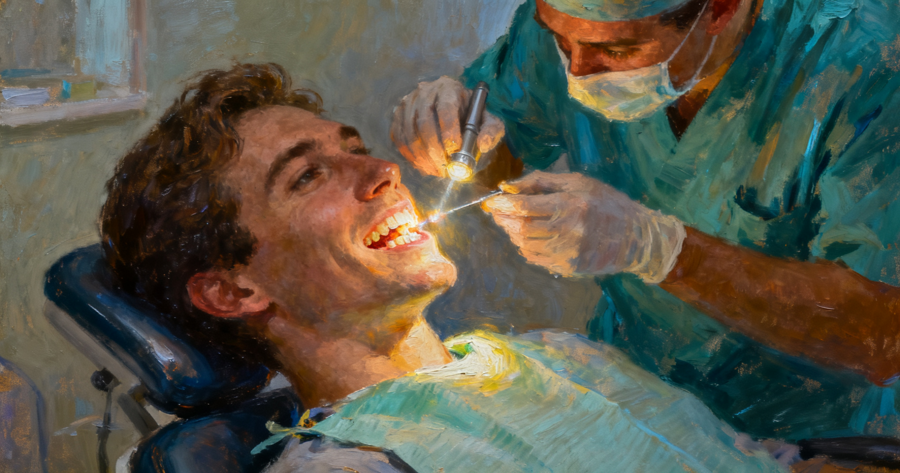
Visit your dentist for a professional cleaning and exam every six months, even if you don't have any active tooth pain or sensitivity. Professional cleanings remove hardened tartar that you can't get rid of with at-home brushing and flossing, and early exams catch small cavities or gum issues before they become bigger problems.
Pro tip: Many dental insurance plans cover 100% of preventative checkups, so you often won't have to pay out of pocket for these visits.
Step 6: Address bad habits that damage your teeth
Cut back on habits like chewing ice, biting your nails, using your teeth to open packages, and smoking or using tobacco products. These actions can chip or crack your teeth, wear down your enamel, and cause permanent staining or gum damage over time.
Common mistake to avoid: If you grind your teeth at night, ask your dentist about a custom night guard to protect your teeth from unnecessary wear.
Challenges to Be Aware Of
- Consistency barriers with busy schedules: It's easy to skip flossing or rush through brushing when you're tired or running late for work. To combat this, keep extra floss and a travel toothbrush at your desk or in your bag, so you can fit in quick care even when you're away from home.
- Sensitivity that makes care uncomfortable: Many people experience gum or tooth sensitivity when they first start flossing regularly or use new oral care products. Start with extra-soft bristled brushes and sensitive-formula toothpaste, and give your gums a week or two to adjust to regular flossing before assuming the routine is too uncomfortable.
- Misleading marketing for expensive dental products: There are hundreds of overpriced teeth whitening kits and special toothbrushes marketed as must-haves for a perfect smile. You don't need these premium products to maintain healthy teeth; basic fluoride toothpaste, regular floss, and consistent habits are far more important for long-term health.
Conclusion
You now have the foundation to start building a simple, sustainable oral care routine that keeps your teeth healthy and beautiful. The steps outlined in this guide don't require special skills or a large budget, so you can start implementing them as early as today.
Maintaining good oral health offers long-term benefits for both your physical wellness and personal confidence, and by mastering these basic habits, you're positioning yourself to avoid costly, painful dental issues in the future. Even small, consistent changes will make a noticeable difference in the look and feel of your teeth over time.
Don't wait for the perfect moment. Start implementing your new twice-daily brushing and flossing routine today. You'll be surprised at how quickly you notice brighter teeth, less sensitivity, and more confidence in your smile as you stick with these habits.
FAQ
How long does it take to see visible improvements in my teeth's appearance and health?
You will likely notice less gum sensitivity and fresher breath within the first one to two weeks of following a consistent proper care routine. Surface stains from coffee or food may start to fade within four to six weeks of regular brushing and limiting staining foods. Keep up with your routine, and schedule a professional cleaning if you want faster stain removal results.
Do I need expensive teeth whitening products or special tools to keep my teeth bright?
No, you don't need premium whitening kits to maintain a bright, healthy smile. Basic fluoride toothpaste, regular flossing, and limiting staining drinks like coffee and red wine are enough to keep most people's teeth looking vibrant. If you do want to brighten your teeth, over-the-counter whitening toothpaste or affordable custom trays from your dentist are safe, cost-effective options. Talk to your dentist before using any strong at-home whitening kits to avoid damaging your enamel.
What's the best way to reduce tooth or gum sensitivity when I brush or floss?
First, switch to a soft-bristled toothbrush and avoid brushing with hard pressure, as aggressive brushing is the most common cause of sensitivity. Use a toothpaste formulated for sensitive teeth, which contains ingredients that block pain signals to the nerve of the tooth. If sensitivity lasts more than two weeks after making these changes, mention it to your dentist at your next checkup to rule out cavities or gum issues.
Can I reverse early signs of tooth decay or gum damage with at-home care?
Early stage enamel decay, before a cavity has fully formed, can potentially be reversed with consistent fluoride use and a low-sugar diet. Early gum inflammation, or gingivitis, can also be reversed with regular brushing, flossing, and professional cleanings. Keep in mind that once a full cavity has formed, it will need to be filled by a dentist to prevent further damage, so early intervention is key. Schedule a dental visit as soon as you notice persistent pain or dark spots on your teeth.


RECOMMEND ARTICLES

Most Read

Birthstone Meanings: More Than Your Birth Month’s Hashtag

How To Level Up Quickly And Get More Diamonds In Whiteout Survival

How To Make Money Fast In Sims 4 Without Cheats

How To Explore Your Past Life Identity: A Practical Guide For Curious Adults

How To Land A Long-Term Caregiver Role With No Experience: A Step-by-Step Guide

Decoding The 7 Chakras: What Each One Reveals About You!
Subscribe For New Quizzes



About us | Privacy Policy | Data Removal | Feedback
Copyright © 2019-2026 | All rights reserved.