


Popular Search

How To Fix A Squeaky Door Hinge With Common Household Items

Ready to stop that annoying squeak that echoes through your home every time you open a door? In this guide, you'll discover how to fix squeaky door hinges using only items you already have around the house. You’ll get a quiet, smooth-operating door in less than 15 minutes with no professional help needed.
Why should you care about this simple DIY fix? Ignoring a squeaky hinge can lead to excess wear and even permanent damage to your door frame over time. But it's important to understand that this project requires no prior repair experience, so anyone can tackle it successfully.
Why Fixing a Squeaky Door Hinge with Common Household Items Is Worth Your Time
- No extra cost required: You won’t need to buy special lubricants or tools for this project, since all supplies can be found in your pantry or junk drawer. This makes it one of the most budget-friendly home repairs you can complete.
- Quick, time-efficient process: The entire fix takes 15 minutes or less from start to finish, so you can fit it into even the busiest weekend or weeknight schedule. You don’t have to block off an entire afternoon for this task.
- Prevents long-term damage: Regularly quieting and maintaining your hinges reduces friction between metal parts, which extends the lifespan of your door and frame. This can help you avoid expensive replacement costs down the line.
- Builds basic DIY confidence: Completing this simple repair successfully can give you the courage to tackle other small home projects on your own. You’ll be surprised how many common household issues you can fix without calling a professional.
Step-by-Step Guide to Fixing a Squeaky Door Hinge with Common Household Items
Step 1: Identify the source of the squeak
Open and close the door slowly to pinpoint exactly which hinge is making the noise. Sometimes multiple hinges may be squeaking, so check all three on standard interior doors. Mark the problematic hinge with a small piece of tape so you don’t lose track.
Common mistake to avoid: Don’t assume the top hinge is always the source, as lower hinges can develop squeaks from bearing more of the door’s weight over time.
Step 2: Gather your household supplies
Grab a can of cooking spray, petroleum jelly, or even a bar of plain soap from your kitchen or bathroom. You’ll also need a paper towel, a small flathead screwdriver (or a butter knife), and an old towel to place under the work area. None of these items require a special trip to the store.
Pro tip: Olive oil or coconut oil work great as alternative lubricants if you don’t have cooking spray on hand.
Step 3: Loosen the hinge pins slightly
Slip the flathead screwdriver or butter knife under the head of the hinge pin on the problematic hinge. Tap the end gently with your palm or a small heavy object to lift the pin up about ¼ of an inch. You don’t need to remove the pin entirely for this fix.
Common mistake to avoid: Don’t force the pin out all the way unless you have someone holding the door steady, as the door may shift or fall out of the frame.
Step 4: Apply your chosen lubricant to the hinge
Spray a small amount of cooking spray directly into the gap around the hinge pin, or rub a thin layer of petroleum jelly or soap onto the exposed part of the pin. The lubricant will seep down into the hinge joint to reduce friction between the metal parts. Wipe up any excess lubricant that drips onto the door or frame with a paper towel.
Pro tip: If you use bar soap, rub it along the pin thoroughly to create a thin, even coating that will last for several months.
Step 5: Test the door and readjust as needed
Push the hinge pin back down into place with your thumb or the end of the screwdriver. Open and close the door several times to work the lubricant into the hinge joint. If the squeak is still present, repeat the process to add a little more lubricant to the joint.
Common mistake to avoid: Don’t over-apply lubricant, as excess oil can drip onto your floors or door finish and leave hard-to-clean stains.
Step 6: Clean up and check other hinges
Wipe down the entire hinge area with a clean paper towel to remove any leftover lubricant residue. Pick up the old towel from under the door and put all your supplies back where they belong. Take a minute to check other doors in your home for early signs of squeaking to address them before they get worse.
Pro tip: Repeat this process every 6 months to keep all your door hinges operating smoothly and quietly.
Challenges to Be Aware Of
- Stubborn, rusted hinge pins: If the hinge hasn’t been maintained in years, the pin may be rusted in place and hard to move. You can apply a small amount of vinegar to the pin and let it sit for 10 minutes to loosen rust before trying to lift it. If it still won’t move, you may need to replace the hinge entirely.
- Lubricant staining risks: Oil-based lubricants can leave permanent stains on wood doors, frames, or carpet if you apply too much. Always place an old towel under the work area and wipe up spills immediately to prevent damage. If you’re worried about staining, use bar soap instead of oil-based products.
- Temporary fix duration: Household lubricants may not last as long as commercial hinge lubricants, so you may need to reapply them every 3 to 6 months. This is a small tradeoff for the convenience of using items you already own, and reapplication takes only a couple of minutes.
Conclusion
You now have the foundation to start fixing squeaky door hinges around your home using only common household items. You don’t need special skills or expensive supplies to complete this simple, satisfying DIY repair successfully.
Fixing squeaky door hinges with household items offers a quick, low-cost way to improve your home’s comfort, and by mastering this skill, you're positioning yourself to handle more small home repairs with confidence in the future.
Don’t wait for the perfect moment. Start with the squeakiest door in your home today. You’ll be amazed at how much quieter and more pleasant your living space feels once that annoying noise is gone.
FAQ
How long does it take to fix a squeaky door hinge?
Most people can complete the entire process in 10 to 15 minutes per door, including time to gather supplies and clean up. If the hinge is very rusted, you may need to add 10 extra minutes for the vinegar rust treatment to work. Start with the door that squeaks the most to get quick, satisfying results.
Do I need special tools to fix a squeaky door hinge?
No, you don’t need any special tools or professional supplies for this fix. A butter knife can replace a screwdriver, and common kitchen items like cooking spray, soap, or petroleum jelly work perfectly as lubricants. You likely have everything you need already in your home right now.
What's the best way to fix a squeak that comes back after a few weeks?
If the squeak returns quickly, you may not have applied enough lubricant to the inner part of the hinge. Try lifting the pin a little higher next time to get the lubricant deeper into the joint. For longer-lasting results, you can also remove the pin entirely (with a helper holding the door) and coat the whole pin in lubricant before replacing it.
Can I use this same method for outdoor door hinges?
You can use the same process for outdoor hinges, but you may need to reapply lubricant more often due to exposure to rain and temperature changes. For outdoor hinges, petroleum jelly tends to last longer than water-based cooking sprays. If the hinge is heavily rusted, you may want to consider replacing it with a weather-resistant model after trying the vinegar treatment.


RECOMMEND ARTICLES


How To Create A Relaxing Bedtime Routine For Better Sleep Quality

How To Relieve Eye Strain Caused By Too Much Computer Use: A Practical Guide For Everyone

How To Start A Daily Journaling Habit For Better Clarity

How To Organize A Small Pantry On A Tight Budget: A Practical Step-by-Step Guide

How To Pack A Carry-On Bag For A Two-Week Trip: No Checked Luggage Needed

How To Train Your Dog To Sit And Stay In 10 Minutes A Day: Simple Beginner Guide
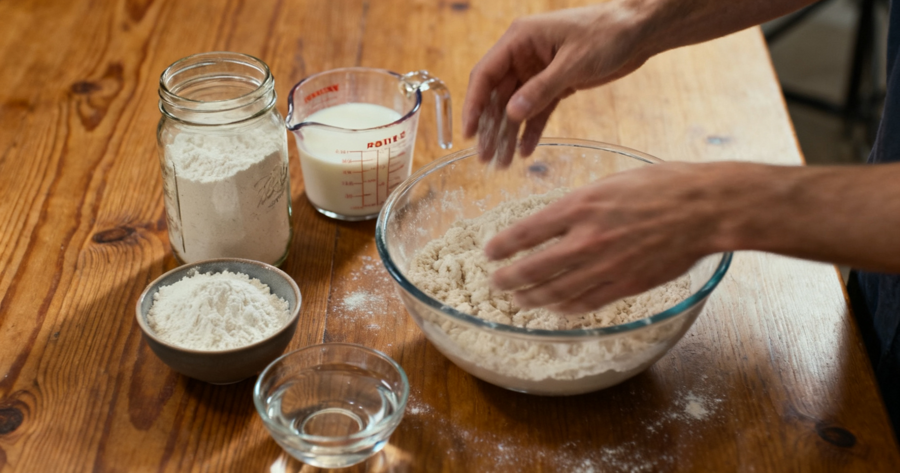
How To Make Perfect Sourdough Starter From Scratch: Step-by-Step Beginner Guide

How To Revive A Dying Houseplant: 5 Essential Steps For New Plant Owners
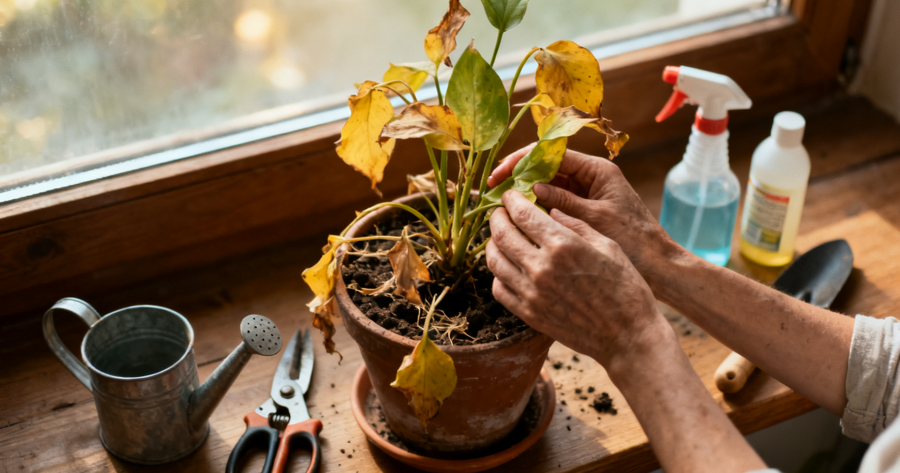
How To Revive A Dying Houseplant: 5 Essential Steps For Beginners
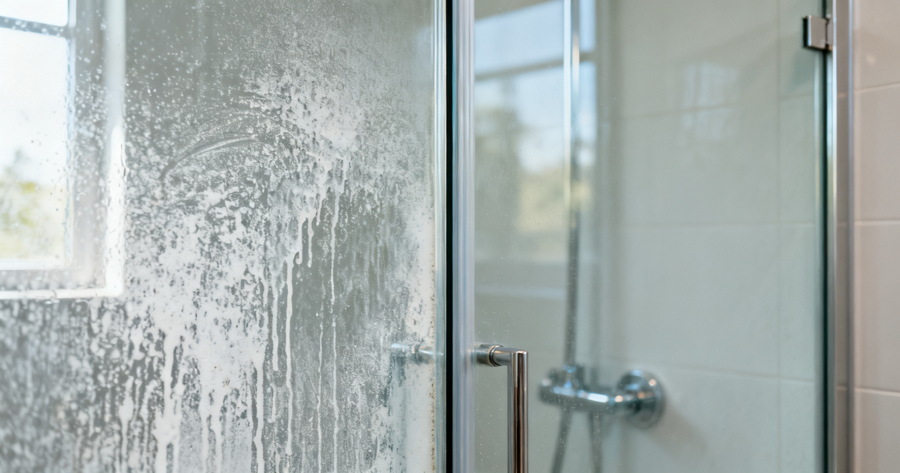
How To Remove Hard Water Stains From Glass Shower Doors: A Simple, No-Harsh-Chemicals Guide
Most Read

How To Master Meccha Chameleon Fast: Best Hiding Spots, Pro Tips & Core Mechanics

How To Properly Raise A Dog: A Complete Step-by-Step Guide For Beginners

How To Get Fast Free Bonus Codes, Tickets & In-Game Rewards In Big Cash Bingo?

How To Get Started With Brookhaven RP Free Premium: A Complete Player Guide

How To Land High-Paying, Flexible Jobs: From Housekeeping To Remote Roles

How To Build An Amazing Toca Life World House With Free Tricks
Subscribe For New Quizzes



About us | Privacy Policy | Data Removal | Feedback
Copyright © 2019-2026 | All rights reserved.