


Popular Search

How To Explore Your Past Life Identity: A Practical Guide For Curious Adults

Ready to dive into the fascinating world of past life exploration for personal insight? In this guide, you'll discover gentle, accessible methods to connect with potential past life experiences, whether you're a complete beginner or looking to deepen your existing practice. You'll walk away with actionable steps to explore this topic safely and meaningfully.
How will exploring your past life change your relationship with your current self? This practice can help you unpack unprocessed emotions, recognize recurring life patterns, and gain a new perspective on your core strengths. But it's important to approach this work with an open mind and clear boundaries to keep the experience positive.
Why Who Were You In Your Past Life? Is Worth Your Time
- Low barrier to entry: You don’t need special training or expensive tools to start exploring your past life identity. For busy young and middle-aged adults, you can fit short practice sessions into existing self-care routines without extra stress.
- Supports emotional healing: Exploring potential past life stories can help you make sense of unexplained fears, attachments, or strengths you’ve carried since childhood. This clarity often leads to reduced anxiety and more self-compassion in your daily life.
- Encourages creative self-reflection: The process of piecing together past life impressions sparks creativity and helps you view your life story from fresh angles. Many people find this practice unlocks new creative hobbies or problem-solving skills they didn’t know they had.
- Builds community connection: Joining gentle, respectful past life discussion groups lets you connect with other curious adults who share your interest in self-growth. These communities often offer support and different perspectives that enrich your own exploration.
Step-by-Step Guide to Who Were You In Your Past Life?
Step 1: Set clear, gentle intentions for your exploration
Start by writing down 1-2 low-pressure goals for your practice, such as understanding a recurring dream or unpacking a long-standing fear. Avoid setting rigid expectations about what you will find, as this can limit your ability to notice subtle impressions. This step helps you stay grounded and focused on personal growth rather than specific outcomes.
Pro tip: Write your intentions in a dedicated notebook to reference before each session to keep your practice aligned with your needs.
Step 2: Create a calm, distraction-free practice space
Find a quiet room where you can sit comfortably for 15-20 minutes without interruptions from work, family, or digital devices. Dim the lights, light a candle or use calming essential oils if that helps you relax, and make sure you will not be disturbed during your session. A peaceful environment makes it easier to access quiet, subconscious impressions that may relate to past lives.
Common mistake to avoid: Don’t attempt this practice when you are tired, stressed, or distracted, as this can lead to unclear or upsetting impressions.
Step 3: Use guided meditation to access subconscious memories
Choose a reputable, gentle past life regression meditation designed for beginners, or lead yourself through a simple visualization of walking down a staircase to a door that opens to a past life memory. Let images, sounds, or feelings come to you without judgment, even if they feel small or disconnected at first. Focus on sensory details rather than trying to build a complete story right away.
Pro tip: Record your meditation so you can focus on the experience instead of remembering what to do next.
Step 4: Document all impressions immediately after your session
As soon as you finish your meditation, write down every detail you remember, no matter how insignificant it seems. Include small details like clothing, colors, locations, or feelings you experienced, even if they don’t fit together into a coherent story yet. Over time, these small details may connect to reveal larger patterns or narratives.
Common mistake to avoid: Don’t dismiss impressions just because they don’t match what you expected to find; unexpected details often hold the most meaningful insight.
Step 5: Cross-reference impressions with your current life patterns
After 2-3 practice sessions, review your notes and look for connections between your past life impressions and your current life experiences. For example, if you repeatedly see images of water, you may notice a long-standing love of swimming or unexplained fear of deep water in your current life. This step helps you turn abstract impressions into actionable personal insight.
Step 6: Practice gentle boundary-setting for your exploration
Limit your past life sessions to once every 1-2 weeks to avoid feeling overwhelmed by intense or confusing impressions. If you encounter a memory that feels upsetting, pause your practice for a few weeks and focus on grounding self-care activities like spending time in nature or talking to a trusted friend. This practice is meant to support your well-being, so prioritize your comfort over making fast progress.
Challenges to Be Aware Of
- Unclear or conflicting impressions: Many people receive fragmented, disconnected details rather than complete, linear past life stories when they first start practicing. This can feel frustrating if you expect clear answers, but remember that small details often build into meaningful insight over time. Be patient with the process and avoid forcing connections that don’t feel right to you.
- Emotional intensity of unexpected memories: You may encounter impressions that feel upsetting or confusing, even if you set gentle intentions for your practice. If this happens, pause your exploration and engage in grounding activities to process your feelings before you return to the practice. You may also want to work with a trained professional if the feelings persist.
- Difficulty separating fact from imagination: It can be hard to tell the difference between a genuine past life impression and a memory from a book, show, or dream you’ve had recently. This ambiguity is a normal part of past life exploration, and you don’t need to prove any of your impressions are "real" for them to hold personal value. Focus on what feels meaningful to you, rather than trying to verify every detail.
Conclusion
You now have the foundation to start exploring your potential past life identities in a safe, gentle way that fits your busy schedule. The steps and boundaries outlined in this guide will help you approach this practice with curiosity rather than pressure, so you can get the most out of each session.
Who Were You In Your Past Life? offers a unique opportunity to gain deeper self-awareness and unpack patterns that may be holding you back in your current life. By approaching this practice with patience and an open mind, you’re positioning yourself for greater self-compassion and personal growth.
Don't wait for the perfect moment. Start with a 15-minute intention-setting session this week. Your exploration may lead to surprising, meaningful insights that change how you see yourself and your life journey.
FAQ
How long does it take to get clear past life impressions?
Most beginners start noticing small, consistent details after 3-4 regular practice sessions spaced 1-2 weeks apart. The timeline varies for each person, so don’t get discouraged if you only get vague feelings at first. Stick to your routine and be gentle with yourself as you build this skill.
Do I need any special tools or training to start exploring past lives?
You don’t need any special tools or formal training to start this practice as a hobby. All you need is a quiet space, a notebook, and access to free beginner-friendly guided meditations online. If you want to go deeper later, you can choose to work with a certified past life regression therapist for more support.
What's the best way to tell if an impression is a past life memory or just my imagination?
Look for consistent details that pop up across multiple sessions even when you don’t focus on them, or details that don’t align with your current life experiences or media you consume. Remember that you don’t need to prove an impression is "real" for it to have personal meaning for your growth. Focus on how the insight helps you understand your current life better, rather than verifying its origin.
Can I use past life exploration to help with current life challenges?
Many people find that exploring past life patterns helps them make sense of current struggles like relationship conflicts, unexplained fears, or unfulfilling career paths. This practice can give you a new perspective on why these patterns exist, which makes it easier to make positive changes. If you are dealing with severe mental health challenges, pair this practice with support from a licensed therapist for the best results.


RECOMMEND ARTICLES


The Devourers:Werewolf Horror Romance Book Review

Birth Flowers Explained: Find Your Month's Hidden Symbolism!
How To Read Palms Like A Pro: 5-Minute To Decode Your Life!

2025's Hottest Antivirus Apps: Stay Safe Online With These Picks!
How To Play And Improve At Arrows – Puzzle Escape: Test And Boost Your Memory Skills

How To Get Free CP, Credits, And Rare Skins In Call Of Duty Mobile Legally?
How To Get Whiter Teeth As A Teen: Safe, Easy Practices To Boost Your Smile Confidence

How To Unlock And Use Toca Life Free Outfits: A Complete Guide

Find Out How To Earn Free Robux And Gift Codes To Upgrade Your Roblox Account

Navigating Senior Housing Options For The 55+ Community
Most Read

Read Hot Chapters Of Novel The Rejected Luna Queen Online!
How To Create Personalized Mobile Wallpapers And Custom Keyboards For Your Device
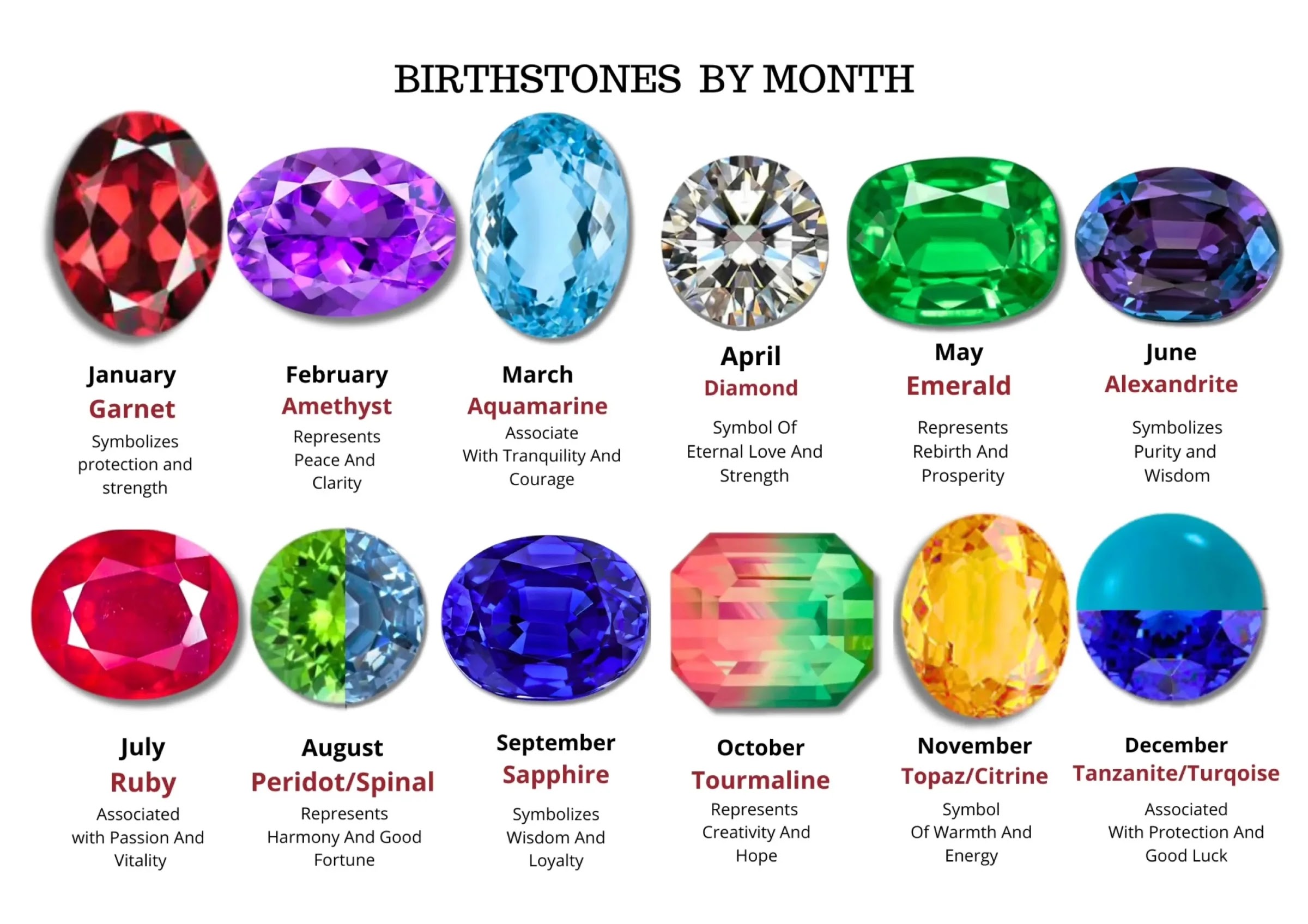
How To Uncover The Hidden Secrets Of Your Birthstone For Personal Insight

What’s The Initial Of Your Crush Name?
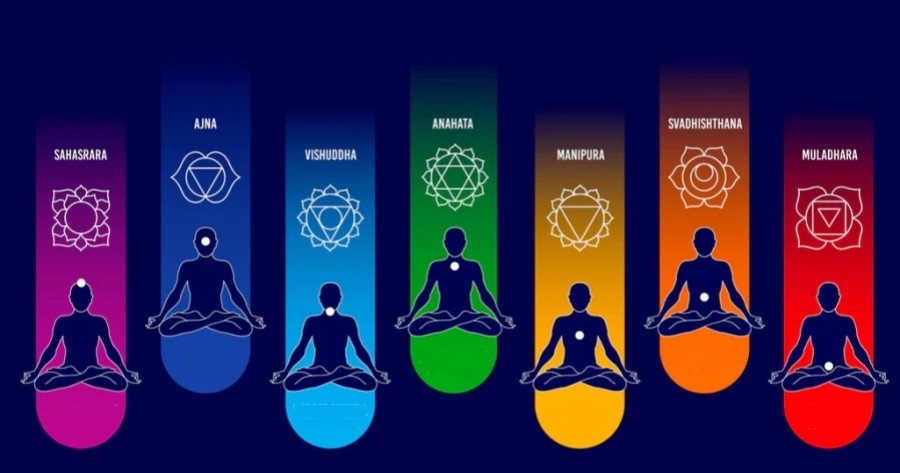
Decoding The 7 Chakras: What Each One Reveals About You!

Top 8 AI Photo Effects Of 2025: Which One Will You Choose?
Subscribe For New Quizzes



About us | Privacy Policy | Data Removal | Feedback
Copyright © 2019-2026 | All rights reserved.